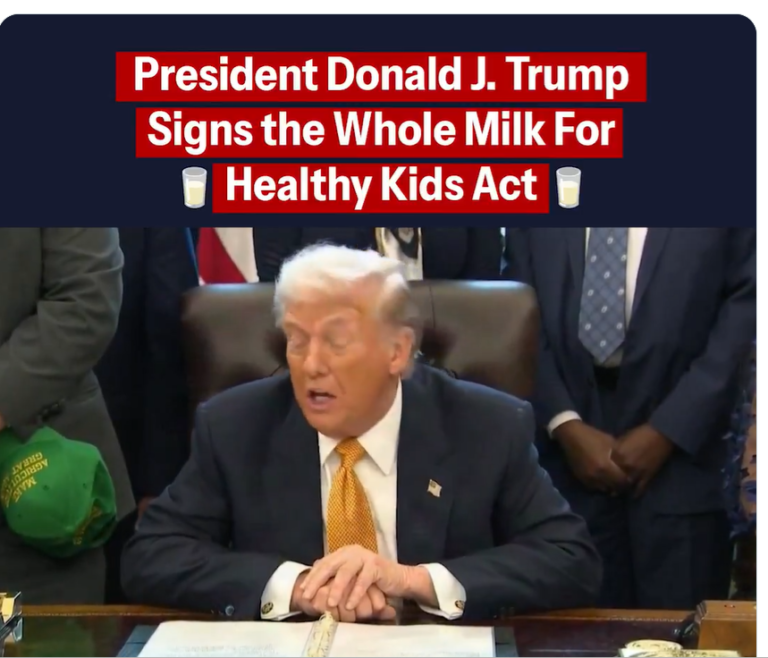
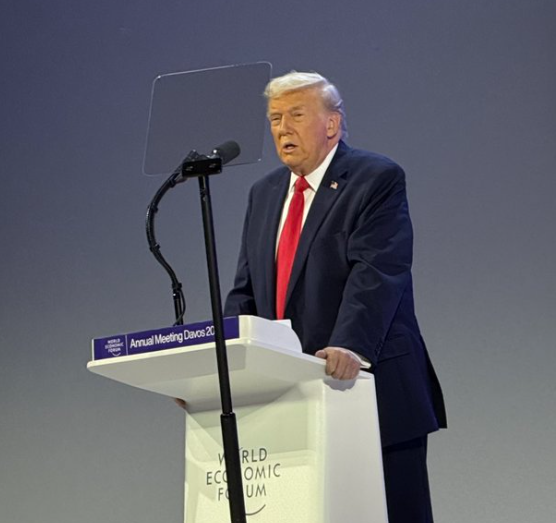

“A 79-year-old President Trump stood there for virtually two hours taking questions from the press. That’s some physical & mental agility. Something your favorites can never pull off… I was once like you. I was one of those that misunderstood & loathed his confidence. One of those who misunderstood his priorities. I thought the man must be out of his mind. Now I find myself drawn to everything he’s got to say.”
— X / @firstladyship
That post is full of two feelings at once: wonder at a public performance and a confession of conversion. On the surface, it praises stamina and bluntness. Underneath it sits an emotional trade: the relief some voters feel when a leader appears decisive and visible, and the embarrassment of admitting admiration for someone they once opposed. This is not just partisan cheerleading. It is the human habit of attachment to figures who make life feel simpler and more dramatic, especially when news cycles are chaotic.
Experts who study populist leadership say this pattern is familiar. Cas Mudde, professor of political science at the University of Georgia, has warned that a charismatic, media-dominant leader can make intense public fascination seem normal and even necessary. He writes that the mainstream can become radicalised by repetitive, high-attention messaging and that this creates the conditions for sustained public enthrallment.
There is also a measurable impact beyond feeling. Political speeches and very public press events change investor expectations and public attention in predictable ways. An academic study that analysed presidential candidate speeches found that informative or emphatic statements alter market returns and trading volume, showing that what a leader says in public can ripple into economic decisions. According to Anastasios Maligkrisa, University of Miami, political speeches that contain economic information increase aggregate market returns and trading volume, while negative tones can reduce returns.
Voices from X: Nigerians and Americans weigh in
“The problem with Nigeria is that we elect ancestors into political leadership in Africa. People that think they are doing us a favor being there why stealing with no conscience. If Tinubu stand for 20 minutes, you will see aides, both security and civilians that might tell him to sit on their back.”
— X / @nwaejikevictor3
This poster is naming a lived frustration. The phrase “elect ancestors” carries anger at gerontocracy, at leaders who seem distant from the day-to-day survival of young citizens. It is an accusation that those in power are too old, too comfortable, and too protected by entourages to feel ordinary lives’ pains. That worry is common in countries where democracy has not yet cured deep inequality.
A report by Transparency International in 2024 found that many citizens around the world see public officials as major drivers of corruption. In Nigeria, the CPI score remains low, reflecting persistent perceptions of public sector mismanagement. A report by Transparency International in 2024 found Nigeria ranked 140 out of 180 countries with a score of 26.
“Believe it or not Trump’s selfish nature in taking over country’s resources when the opportunity provides itself is for the betterment of US unlike ours whose pocket and personal interests is of utmost importance to him and his cohorts..”
— X / @RiczWill
That message mixes resentment with reluctant admiration. The writer grants a blunt, transactional logic to strong leaders: take, concentrate power, deliver for the in-group. At an emotional level, it shows exhausted comparison politics. Citizens who live with extractive governance often measure foreign leaders against their own rulers. When one leader appears to prioritise national interests, even selfishly, it can look preferable to the slow grind of kleptocracy.
Cas Mudde’s research into right-wing populism highlights how leaders who present themselves as defenders of the nation can attract loyalty even when their tactics are divisive. He cautions that the appeal of a leader who centralises power is not just about policy; it is about symbolic security: someone who claims they alone can fix things seems to offer an endpoint to uncertainty.
“APC likes to compared to America when spending public resources not on efficiencies and responsiveness. For Nigeria political leaders, it’s about extravagance, self-service, and bravado. They will jail you for asking questions. Reset Nigeria.”
— X / @JamesUAbraham
This comment names institutional failure. There is quiet grief in the sentence “They will jail you for asking questions.” That grief is a lived fear of accountability being weaponised. It echoes the findings of multiple surveys that show weak public trust in government institutions in Nigeria and in many other countries.
According to Afrobarometer, trust in many African institutions has weakened, and Nigerians report higher trust in nonstate figures such as religious leaders than in elected officials. That gap helps explain why online commentary about executive bravado and impunity resonates so powerfully in daily life.
“America didn’t make a MISTAKE, they are reaping what the sow hate ore like Trump, he is working for America and Americans.. Nigeria can keep selecting the worst among them and we shall live with the consequences of our choice”
— X / @MercyAgera
This user is articulating a moral argument: choices have consequences, and national leadership reflects collective responsibility. There is a subtle mixture of resignation and admonition. It is an emotional ledger: if we elect the wrong people, expect outcomes that match those choices.
Researchers who measure institutional performance find that perceived corruption and poor governance correlate with economic setbacks and social frustration. A recent Transparency International analysis links corruption to tangible limits on development and service delivery, giving empirical weight to that moral inventory. A report by Transparency International found that corruption remains a major brake on progress in many countries.
“I watched most of his speech, I saw how he maintained posture and tone. I wished we had a president who is that strong mentally and physically. I wish we have someone who is so enlightened and loves his country. @realDonaldTrump is a LEADER. America is so lucky!”
— X / @Dr_DDani
This is straightforward admiration. It shows how physical presence and perceived clarity of mind are proxies for competence. When people feel their own leaders are failing on basic competence, seeing a well-aired performance from elsewhere can inflame both envy and yearning.
Political communication scholars note that when a leader displays vigour and narrative clarity, audiences reward them with trust even when policy records are mixed. According to a report by Time, Kathleen Hall Jamieson, director at the Annenberg Public Policy Center, has argued that the rhetorical voice of the presidency matters because the person speaking stands for the whole country, and a history of divisive rhetoric can undermine claims to unify.
“The sad part is that overwhelming majority of the people here spouting garbage can’t even obtain a U S visa because DT has blacklisted Nigeria. FYI, Trump is a vile racist that loathes people like you and this is coming from a Nigerian American who was born and raised in Chicago.”
— X / @lucasbalo
This reply is anger and correction rolled into one. It challenges the earlier celebratory messages and points to concrete policy effects people feel: visa rules, travel restrictions, and racialised policing of movement. It also shows how diaspora perspectives complicate domestic conversation.
Scholars and journalists have documented how foreign policy choices and domestic rhetoric intersect. People who experience exclusion firsthand, especially migrants and diasporas, interpret political fandoms through the lens of lived access. That perspective often breaks apart the simple admiration-versus-loathing framing that social media amplifies. For broader evidence on how rhetoric and policy produce real-world effects across borders, see the analyses in political communication and migration reporting.
What experts and evidence say about media, markets, and trust
The posts above show three recurring dynamics: emotional attachment to a visible leader, comparative anger at local governance, and the sense that public performance matters because it moves institutional outcomes. Experts from political science, communications, and finance say these impressions are not just a mood.
An academic paper that studied political speeches and financial markets finds that speeches with clear economic information move market returns and trading volume, while negative tones depress returns. That shows the measurable channel from public performance to private economic behaviour. According to Anastasios Maligkrisa, University of Miami, 2017, political speeches affect investor expectations and market outcomes.
Public trust data reinforce the second dynamic. According to Afrobarometer, many Nigerians express low trust in elected institutions and higher trust in nonstate figures. That trust gap feeds social media conversations where citizens compare leadership styles across borders and decades.
Finally, media fragmentation deepens the effect. Pew Research Center finds that Americans are polarised in whom they trust for news, and that this partisan filter amplifies the “you either love him or you cannot stop watching” phenomenon. According to Pew Research Center, partisan divides in media trust shape how the same event is received by different audiences.
Taken together, these findings explain why the X post and the replies are not random noise. They are the visible end of structural trends: low institutional trust, intense media attention to personality, and real economic sensitivity to leadership signals.
A grounded conclusion and practical steps
What can readers do in the face of strong personalities, brittle institutions, and emotionally charged online conversations? Evidence and expert guidance point to three realistic moves.
First, attend to information sources. Diversify where you get news and check assertions about policy effects against reliable datasets. According to Pew Research Center, media trust varies sharply by audience, so seeking cross-verified reporting reduces the chance of being pulled purely by personality.
Second, connect social feeling to public action. If frustration with leadership is real, channel it into institutional levers that change incentives: civic monitoring, budget transparency campaigns, and community organising. Transparency International and Afrobarometer data show that when citizens press for transparency and accountability, institutional perceptions can shift over time. A report by Transparency International found that corruption is a material obstacle to development and that anti-corruption measures are essential to progress.
Third, hold leaders to measurable standards. Notice the difference between theatre and policy. If a speech or press marathon moves markets or dominates headlines, ask what concrete policy changes will follow. Scholars who study political rhetoric and markets caution that while attention and tone matter, durable outcomes come from institutions and policy details—not just performance. A report by Anastasios Maligkris at the University of Miami suggests that speech content conveying economic information is what reshapes investor expectations.
The thread that runs through the X posts is neither unique to one country nor to one personality. It is a human story: people seek clarity, strength, and hope in leaders while also aching for fairness, competence, and accountability at home. That tension is real. It can be understood, measured, and acted upon. Citizens who combine compassionate listening to lived voices with grounded scrutiny of evidence and institutions will be better placed to turn online passion into offline improvement.
Learn More: Carney’s Davos Speech Explained Through X Reactions: Risks, Solutions, and What Canadians Need to Know